
Best French immersion programs for adults in 2026

20 mai
2 min de lecture
Learning French as an adult requires a different approach. Between work, routines, and responsibilities, many adults don’t have time for traditional methods, yet they still want real results. This is why French immersion programs are gaining more ground than ever in 2026.
After 29 years of teaching French, I can state with certainty: nothing accelerates learning more than living the language. But not every immersion program delivers on its promises.
Here is what truly sets an effective immersion program apart and how to choose the best one for you.
1. Real immersion, not just intensive classes
Many programs call themselves "immersive" but in practice only offer several hours of classes per day. This isn't enough to transform how you learn.
What actually works: Immersion must go beyond the classroom. Conversations during meals, spontaneous interactions, and real-life situations are what make French happen naturally.
2. Personalization for adults with clear goals
Adults don't learn like young beginners. They have specific objectives: work, moving to a new country, travel, or personal development. Generic programs rarely meet these needs.
What actually works: An effective immersion adapts the content to your level, your pace, and your goal. Every experience needs to make sense for you.
3. A safe environment to speak without blocks
One of the biggest challenges for adults is the fear of making mistakes. Formal or overly rigid environments end up reinforcing this block.
What actually works: A welcoming, human, and non-judgmental space where the student feels comfortable to speak, make mistakes, and evolve.
4. Integration with the local culture
Learning French isn't just about learning words; it’s about understanding behavior, context, and culture. Without this, the language remains distant.
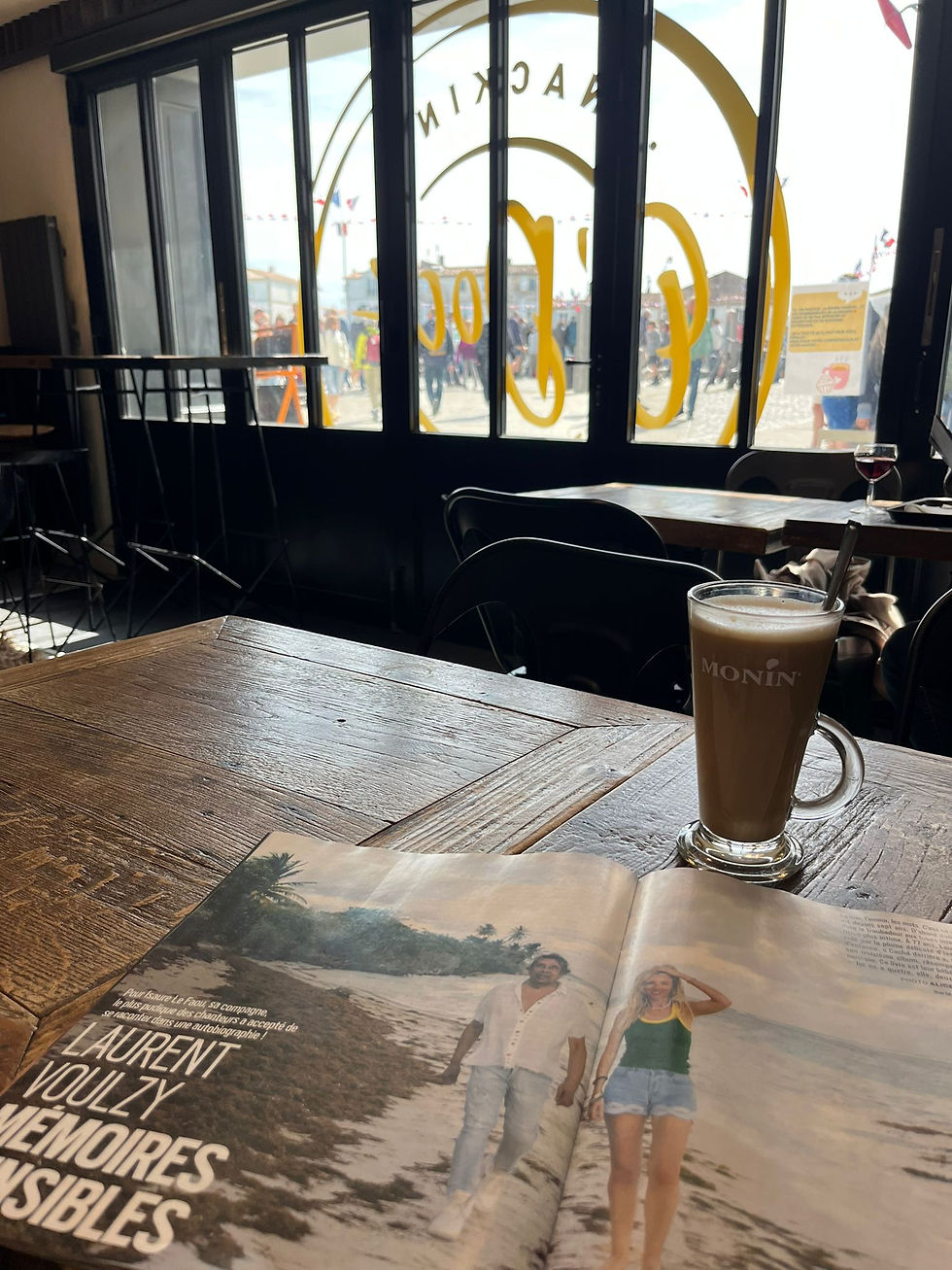
What actually works: Being in an environment where French is part of daily life—cafés, markets, walks, real interactions—completely transforms the learning process.
5. Close guidance and teacher experience
The quality of the immersion depends directly on who is leading the process. Experience, sensitivity, and the ability to adapt make all the difference.
What actually works: Having a teacher who understands your difficulties, adjusts the path, and creates a personalized experience accelerates results consistently.


Commentaires